

Rotary & Muller Vents
Explore our range of muller and rotary vents, engineered from robust and durable plastic for reliable ventilation performance in vans, trailers, caravans, and more. Ensure optimal airflow for a safe and comfortable driving experience with the right muller or rotary vent. Explore a range of designs and finishes to find the ideal solution for your build. Order online or in-store—we welcome you to visit IRS in Melbourne, Perth, or Brisbane, our expert teams will be happy to assist you. Enjoy competitive prices throughout the entire range and reliable shipping nationwide.
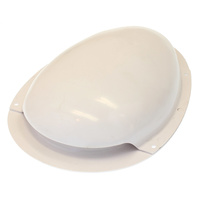
What is the difference between a rotary vent and a Muller vent?
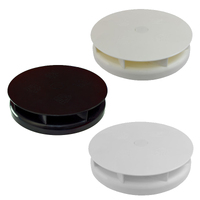
A rotary vent is a wind-driven turbine that spins to actively pull air out of a vehicle or enclosure. A Muller vent is a static, low-profile vent with a "teardrop" shape that uses the Venturi effect to create a vacuum, drawing out stale air as the vehicle moves. Both are passive systems, meaning they require no electrical wiring to operate.
Are these vents waterproof?
Yes. Both designs are designed to shed water. Muller vents are shaped to channel rain away from the opening, while rotary vents feature a domed or finned cap that prevents water from getting in while spinning. For a completely weather-proof installation, we recommend using a high-quality sealant around the base.
What are these vents made from?
The rotary vent is made from ABS plastic, and the Muller vent is made from PVC. Both materials are lightweight, corrosion-resistant, and suited to outdoor and on-road environments. Neither will rust, making them a practical choice for trailers, caravans, and vans exposed to varying weather conditions.
How do I install a Muller vent on my canopy or van?
Installation is straightforward. You will need to cut a hole (typically 120mm for standard models) in the roof or wall. Apply sealant to the base of the vent, position it with the larger end of the teardrop facing the direction of travel, and secure it using rivets or stainless steel screws through the pre-drilled fixing holes.
Do rotary vents work when the vehicle is stationary?
Rotary vents are most effective when the vehicle is moving or when there is an external breeze to spin the turbine. However, even when static, they allow for natural thermal convection, letting hot air rise and escape the vehicle. This helps reduce cabin temperature and condensation.
Will a low-profile rotary vent fit under my roof rack?
Our rotary vents are designed with a low profile, typically 70mm. This makes them ideal for vehicles with roof racks, trade bars, or low clearance requirements. Always check the specific dimensions on the product page to ensure clearance for your setup.
How to maintain rotary and Muller vents?
Muller vents are static and low maintenance. Just ensure the opening remains clear of debris like leaves or salt build-up. Rotary vents should be checked periodically to ensure the turbine spins freely. If the rotation becomes noisy or stiff, a quick clean of the central shaft and a drop of lubricant will usually restore performance.