
Gas Struts
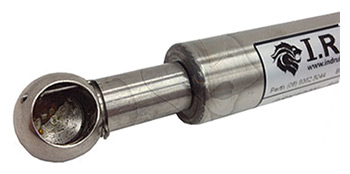
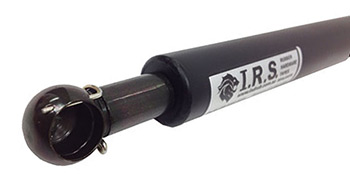
Restore the full functionality of lids, boots, and bonnets with our durable and reliable gas struts. At IRS, we offer a wide range of gas struts suitable for various applications. Find the perfect size and pressure to meet your specific needs. Our selection includes top-quality gas stays in both steel and stainless steel, all available at competitive prices. Shop online and enjoy convenient Australia-wide delivery, or visit us in-store for expert assistance.
Use our Gas Strut Calculator to help find your Recommended Position of Struts
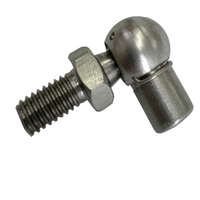
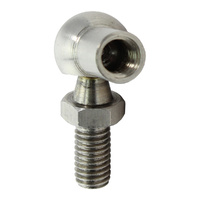
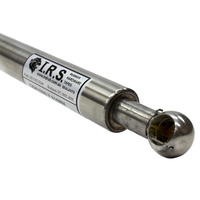
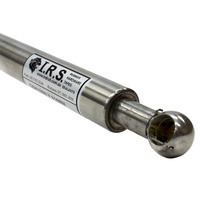
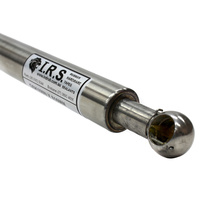
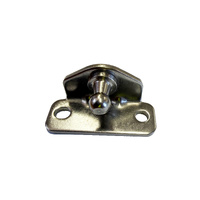
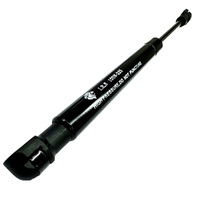
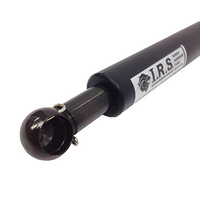
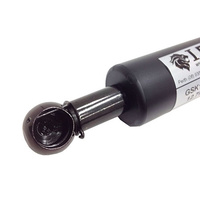
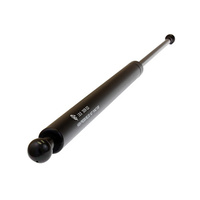
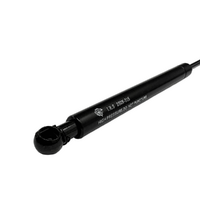
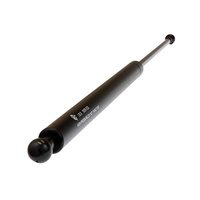
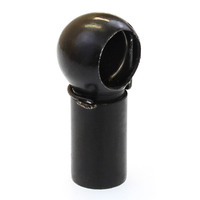
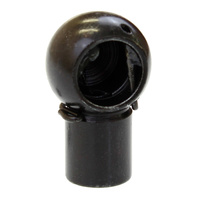
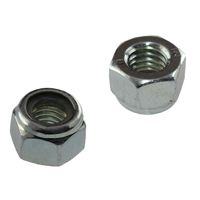
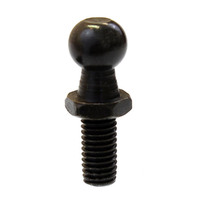
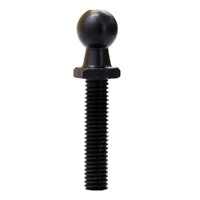
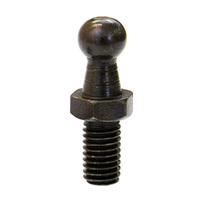
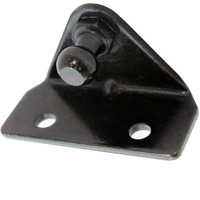
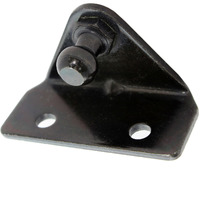
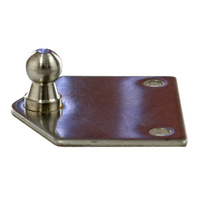
With years of experience, you can trust us with providing reliable and durable gas struts and accessories. Available at competitive prices, different materials, end fittings, diameters, and pressures, they fit various applications.
Catering to the needs of the industrial, automotive, marine, building and home handyman industries, we have the solution you require. Shop online and enjoy convenient Australia-wide delivery, or visit us in-store for expert assistance.
Gas Strut Types Available
- Powder-coated steel struts with nitrile shafts
- 316 marine grade stainless steel struts
- Designs in various lengths, diameters, force ratings
Steel vs. Stainless Steel
- Steel: The general purpose option
- Stainless Steel: The option for marine, coastal and outdoor environments
Applications
- Doors & Bonnet lids
- 4x4 canopies & Toolboxes
- Ute trays & Industrial cabinets
- Home projects & Boat hatches
- Storage lids
Problems Gas Struts Solve
- Heavy doors, lids, hatches easy to open
- Safe operation
- No risk of sudden dropping or strain injuries
- A boost in accessibility
Gas Strut Measuring
- Extended length (centre of fitting to centre)
- Shaft and tube diameters
- End type
- Force rating
Pressure & Accessories
- Pressure: Check lid/door weight, length, mounting
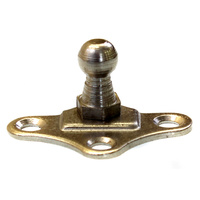
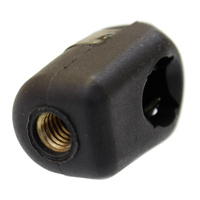
- Accessories: End fittings, Mounting brackets
Frequently Asked Questions About Gas Struts
What Types of Gas Struts Does IRS Offer?
We have a selection of high quality gas strut in Australia, from 316 stainless steel to powder-coated steel options, chosen for the reliability and durability even in harsh environments where there’s exposure to the elements, moisture and risk of corrosion. With each type, you get a range of ends, lengths, diameters, and forces so you’re sure to find the solution you need for the diverse applications.
What is the Purpose of a Gas Strut?
Small but mighty, gas lift struts are crucial for making heavier lids easier to access and open with minimal force, thus eliminating the risk of strain injuries by preventing sudden dropping, and ensuring an overall safe operation.
Also known as gas springs, these struts are designed to lift and hold heavy objects like hoods, lids and doors, 4x4, caravan and boat hatches, cabinetry, camper bed bases, toolboxes with force thanks to the pressurised gas in their structure.
The steel design is the general purpose option you can rely on for indoor use as much as automotive use. The stainless steel version is better suited for applications in coastal, marine and outdoor conditions where there’s exposure to salt and moisture.
How to Calculate Gas Strut Force Needed?
This aspect is essential in ensuring the adequate choice, installation, operation and safety with gas strut use. To get the suitable choice for your needs, there are several factors you should keep in mind:
- Load Weight in Newtons of the Door or Lid
- Length of the Door or Lid
- Distance from Hinge to Mounting Point
- Number of Struts Installed
The first, the load weight, is related to the weight of the lid, hood, hatch you need the strut for, indicated in kg. This is followed by the length of the lid, hood, or hatch in mm. As the rough estimate of the gas strut mounting point is about 20% of the door or lid’s length away from the hinge, it’s about 1/3 of distance for optimal leverage.
Usually, heavier applications require heavy-duty struts with more than 700N as required with heavy haulage, transporting equipment, maritime equipment and industrial automation needs. Medium to heavy duty designs range from 400N to 700N, fit for caravan lift-up beds, ute canopies, rooftop tents. Medium duty designs from 200N to 400N are suitable for vehicle bonnets, heavy cabinet doors, toolboxes, whereas the light duty designs from 50N to 200N are best used with lightweight lids, and displays.
To make your selection and shopping hassle-free, we provide a reliable Gas Strut Calculator so you can fill up your input and get an estimate on the recommended force.
How Do You Measure a Gas Strut?
When replacing an existing strut, it can be of help to measure it and get insight into the basics of the length and diameter required. Start off with the extended length, from end fitting centre to centre, and closed length from centre-to-centre of the end fits. For the diameter, measure across the rod and the canister.
The pressure (force) is indicated by the manufacturer with a number followed by an “N”, the symbol for the newton, the international unit of measure for force. In case of no end fits, measure extended and closed lengths from rod end to tube end. Be sure to also consider the type of the end fit, whether it’s a ball cup or eye, and the material (e.g., plastic/nylon, stainless steel, steel) so you get the perfect match.
What Causes Strut Issues?
If you want to ensure you get the right strut for the job, you need to get it right with the calculations. The expected benefits we mentioned can easily turn into drawbacks, as the improper gas strut can interfere with the adequate operation of the lid or hatch.
In addition to the lack of convenience and inaccessibility, it may require more force to open or close, resulting in risk of strain injuries or uneven lifting with limited opening angle. Further, there can be a safety risk of the lid or hatch dropping suddenly, consequently placing more pressure on the hinges and mounting brackets too, which can lead to costly damages over time.
To avoid any issues, along with the proper calculation, it’s important to do check-ups when needed. Although they last several years, the regular use, exposure to the elements, rough conditions, impacts, accidents can all take their toll on them. Be aware of the warning signs, like changes in the lifting force, noise or signs of rust, to do a timely replacement.